It's Not 'Just Your Libido': The Real Reasons Your Desire Has Gone Quiet — And What's Actually Fixable
It's Not 'Just Your Libido': The Real Reasons Your Desire Has Gone Quiet — And What's Actually Fixable
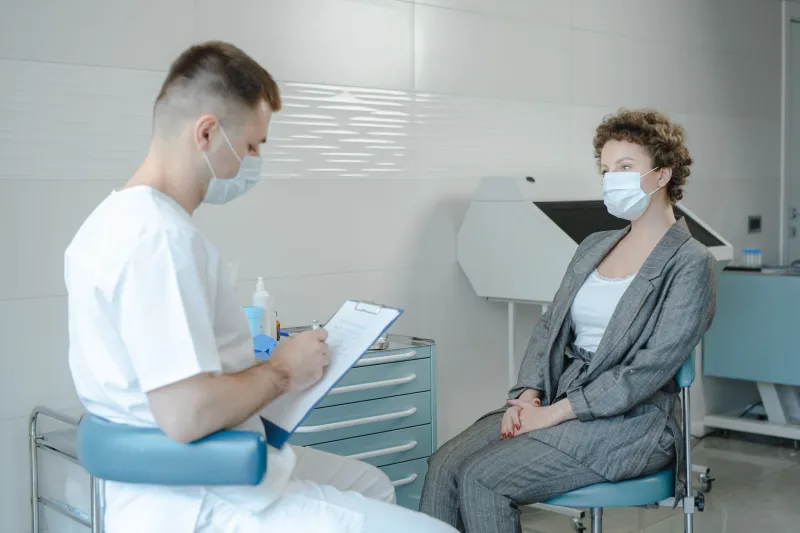
Let's set the scene. You're sitting in a doctor's office, finally working up the courage to say out loud that you haven't wanted sex in months — maybe longer. You brace yourself for a real conversation. Instead, you get a pamphlet about stress reduction, a gentle suggestion to "try date nights," and a prescription for nothing, because apparently this is just life.
Sound familiar? For an enormous number of people with vulvas in America, this is exactly how the conversation ends. The catch-all phrase "low libido" gets stamped on their experience like a diagnosis, when it's really closer to a shrug. And that shrug is costing people their sex lives, their relationships, and their sense of self.
Here at LabiaLand, we're not here for comfortable non-answers. So let's actually talk about what's going on in your brain — and your body — when desire disappears.
'Low Libido' Isn't a Diagnosis. It's a Dismissal.
First, some vocabulary that actually matters. Sexual desire disorders are recognized, clinical conditions. The most common one you'll hear about is Hypoactive Sexual Desire Disorder, or HSDD — now sometimes called Female Sexual Interest/Arousal Disorder (FSIAD) in the updated DSM-5. Whatever acronym your provider uses, the point is: there are diagnostic criteria. There are measurable physiological factors. There are treatments.
But here's where the system breaks down. HSDD requires that the lack of desire causes the person distress. That's a critical piece. If you don't miss wanting sex, this isn't your issue. But if you're sitting there feeling like a stranger in your own skin, grieving a version of yourself who used to want things — that's not a personality flaw. That's a clinical picture worth investigating.
The problem is that too many providers hear "I don't want sex" and immediately translate it into "she's tired" or "they're having relationship trouble." They skip the biology entirely.
Your Brain Is Running the Whole Show
Desire doesn't start between your legs. It starts in your brain — specifically in the interplay between dopamine (the "wanting" chemical) and serotonin (which, in high amounts, can actually suppress desire). This is why the pharmaceutical landscape around HSDD is so complicated, and why the first FDA-approved medication for it — flibanserin, brand name Addyi — works on serotonin and dopamine receptors rather than hormones.
Neurological factors that can tank desire include:
- Dopamine pathway disruption, which can stem from depression, chronic stress, or certain neurological conditions
- Elevated prolactin levels, which suppress sexual motivation and are often linked to pituitary issues or — here's the kicker — antipsychotic medications
- Thyroid dysfunction, both hypo and hyperthyroid states, which affect nearly every system in the body including sexual response
None of these are things a date night is going to fix.
The Medication Nobody Warned You About
If there's one conversation that is criminally underrepresented in healthcare, it's this one: SSRIs and SNRIs — the most commonly prescribed antidepressants in the United States — are some of the most potent libido killers in existence.
We're talking about medications like sertraline (Zoloft), fluoxetine (Prozac), escitalopram (Lexapro), and venlafaxine (Effexor). Studies estimate that anywhere from 30% to 70% of people taking these drugs experience some form of sexual dysfunction — including reduced desire, difficulty with arousal, and delayed or absent orgasm.
And yet, how many people are told this upfront? How many are handed a prescription and sent on their way, only to spend the next two years wondering why they feel sexually numb and assuming it must be them?
This matters because it's reversible. Switching medications, adjusting doses, or adding an adjunct medication like bupropion (Wellbutrin, which works differently and often preserves or even boosts libido) can make a real difference. But only if someone connects the dots.
Hormones: The Story Goes Way Beyond Menopause
Yes, estrogen decline during perimenopause and menopause can significantly affect desire. But the hormonal conversation is broader than most people realize — and it starts way earlier.
Testosterone is the hormone most directly linked to sexual desire in all genders, and people with ovaries produce it too — just in smaller amounts. Testosterone levels can drop due to oral contraceptives (particularly combination pills, which increase sex hormone-binding globulin and effectively reduce free testosterone), surgical menopause, adrenal insufficiency, and natural aging that starts well before anyone mentions the word "menopause."
Meanwhile, progesterone imbalances and elevated cortisol from chronic stress can both suppress libido through different mechanisms. The HPA axis — your body's stress response system — is in direct conversation with your reproductive hormones. When one is dysregulated, the others feel it.
None of this gets uncovered with a standard checkup. You often have to ask for a full hormonal panel, and even then, you may have to advocate hard to get results interpreted in the context of your symptoms rather than just "normal range" lab values.
The Diagnostic Gap Nobody Talks About
Here's the uncomfortable truth: the diagnostic criteria for HSDD were developed largely based on research that centered heterosexual, cisgender women in long-term relationships. This means the tools we use to identify and treat desire disorders are already incomplete for a huge portion of the population — including LGBTQ+ individuals, people in non-monogamous relationships, and anyone whose sexual context doesn't fit the assumed template.
It also means that responsive desire — which is when you don't feel desire spontaneously but can get there once you're already in a sexual situation — gets pathologized. Sex researcher Emily Nagoski has written extensively about this: responsive desire is a normal variation, not a disorder. But if your doctor doesn't know the difference, you might walk out with a diagnosis that doesn't fit.
The flip side is that people with genuine physiological causes for low desire are sometimes told they just have "responsive desire" and need to "create more opportunities." Both failures leave people without real help.
What Actually Getting Help Looks Like
If any of this is hitting close to home, here's a practical starting point:
- Ask for a full hormonal workup — including total and free testosterone, estradiol, FSH, LH, prolactin, and thyroid panel (TSH, free T3, free T4).
- Review your medications with a provider who will actually engage with the question. Bring a list. Ask specifically about sexual side effects.
- Seek out a certified sex therapist or a sexual medicine specialist — these are different from general OB-GYNs and are trained to evaluate the full picture, including psychological and relational factors alongside the biological ones.
- Push back on dismissal. If you're distressed by the change in your desire, that distress is clinically meaningful. You deserve a workup, not a pamphlet.
The truth is, desire disorders sit at the intersection of neurology, endocrinology, psychology, and culture — and that complexity is exactly why they get mishandled so often. It's easier to say "low libido" and move on than to actually investigate.
But your desire — and your distress about losing it — deserves more than a shrug. A lot more.