Cutting Into Confidence: The Uncomfortable Truth Behind America's Labiaplasty Obsession
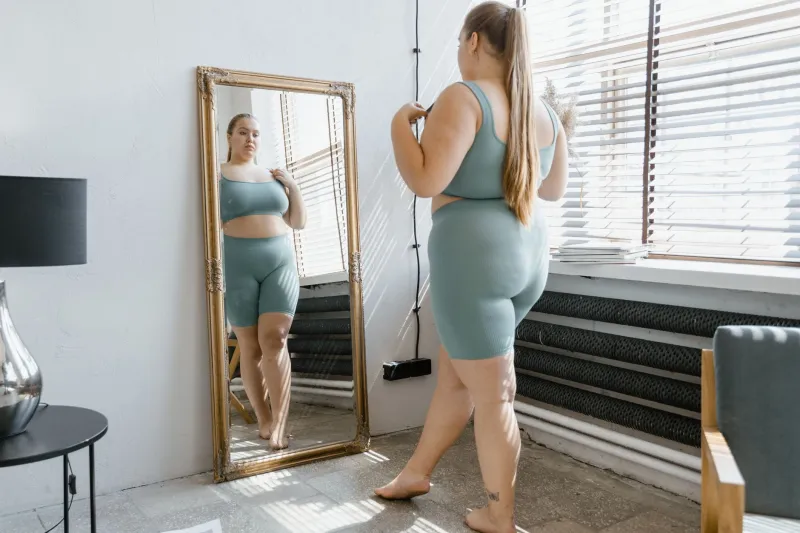
Cutting Into Confidence: The Uncomfortable Truth Behind America's Labiaplasty Obsession
Somewhere between a TikTok rabbit hole and a routine gynecology appointment, thousands of American women every year arrive at the same unsettling conclusion: that their vulvas need to be fixed. Labiaplasty — surgical reduction or reshaping of the labia minora — has surged by over 200% in the last decade according to the American Society of Plastic Surgeons. It's now consistently ranked among the top five fastest-growing cosmetic procedures in the country. And yet, almost nobody is talking honestly about what's driving that number — or what patients aren't being told before they sign the consent forms.
We're going to talk about it.
The Numbers Don't Lie (But They Do Leave Out a Lot)
In 2023, more than 12,000 labiaplasties were performed in the US by board-certified plastic surgeons alone — and that figure doesn't account for the procedures done by OB-GYNs, urogynecologists, or the growing crop of med-spa operators offering "vaginal rejuvenation" packages alongside Botox and lip fillers. The real number is almost certainly higher, possibly significantly so, because there's no centralized registry tracking every scalpel that touches a vulva in this country.
What we do know is who's getting these procedures. The average patient is between 18 and 35. A significant portion — studies suggest anywhere from 32% to 50% depending on the research — cite aesthetic concerns rather than physical discomfort as their primary motivation. They don't have pain during sex or irritation from cycling. They just don't like the way they look.
That's not a moral failing. That's a symptom.
Porn, Instagram, and the Myth of the "Neat" Vulva
Let's be direct about something: there is no such thing as a standard vulva. Labia come in every conceivable size, shape, color, and configuration. Some hang low. Some are asymmetrical. Some are barely visible. All of that is normal — biologically, medically, and by every measure that actually matters.
But the images most people see don't reflect that reality. Mainstream pornography, which remains the dominant source of genital education for huge swaths of the American population, has long favored a narrow aesthetic: small, symmetrical, tucked-in labia that make genitals look prepubescent and "tidy." This isn't accidental. It's partly the result of obscenity laws that historically penalized visible labia in certain media formats, and partly simple market preference shaped by decades of that same narrow representation.
Social media has compounded the problem in ways that would have seemed absurd ten years ago. "Thigh gap" content has given way to "camel toe" discourse, bikini-line obsession, and before-and-after labiaplasty reels that are technically educational but functionally advertise surgical solutions to problems most women didn't know they had. Sexual health therapist Dr. Mara Ellison, who practices in Chicago and sees patients specifically around body image and sexuality, puts it plainly: "I have clients who came to me after seeing a labiaplasty ad on Instagram. They had never thought about their labia before that moment. The ad created the insecurity and offered the solution in the same breath."
When the Doctor's Office Becomes Part of the Problem
Here's the part that's genuinely disturbing: some of the pressure to pursue labiaplasty isn't coming from social media. It's coming from medical providers.
A 2021 study published in the Journal of Sexual Medicine found that a meaningful percentage of women who sought labiaplasty reported that a healthcare provider — not a cosmetic surgeon, but a gynecologist or general practitioner — had made a comment about the appearance of their genitals during a routine exam. Not a medical concern. A comment. About aesthetics. From someone in a position of authority, wearing a white coat, in a room where the patient is already vulnerable.
The American College of Obstetricians and Gynecologists (ACOG) has explicitly stated that labiaplasty is not medically indicated for normal anatomical variation, and that providers should counsel patients about the diversity of normal genital anatomy before referring for or performing these procedures. That guideline exists because ACOG recognized the problem is real. It doesn't mean every provider follows it.
What the Consent Forms Aren't Saying
Even among surgeons who perform labiaplasty ethically and skillfully, the informed consent process is — to be charitable — inconsistent.
The risks of labiaplasty are real and deserve to be stated clearly. They include: scarring, chronic pain, altered or lost sensation in the labia and clitoris, wound dehiscence (where surgical incisions reopen), asymmetry requiring revision surgery, and psychological distress. Nerve damage, in particular, is a risk that doesn't always resolve. The labia minora are densely innervated tissue. When you remove them, you are removing nerve endings. Some patients report reduced sensitivity during sex afterward — sometimes permanently.
A 2022 review in Aesthetic Surgery Journal found that complication rates across studies ranged from 4% to 13%, with revision surgery needed in some series at rates approaching 10%. Those aren't fringe numbers. And yet multiple women interviewed for this piece described consent conversations that lasted under five minutes, focused primarily on recovery time, and included almost nothing about the possibility of changed sexual sensation.
"I asked my surgeon specifically about sensitivity," says Renata, a 29-year-old from Austin who had labiaplasty at 24 and agreed to speak with us anonymously by first name. "He told me some women actually report better sensation after. He did not tell me I might feel less. I feel less. Five years later, I feel less, and I think about it every time I have sex."
The Other Side of the Story
It would be dishonest to pretend everyone who has had labiaplasty regrets it. They don't. Some women experience genuine physical discomfort — labial tissue that gets caught in clothing, causes pain during exercise, or creates repeated irritation — and for them, surgery can be genuinely life-improving. Others pursue it for personal aesthetic reasons, fully informed, and report feeling more comfortable in their bodies afterward.
"I don't think it's our place to tell women what to do with their own bodies," says Dr. James Whitmore, a board-certified plastic surgeon in New York who performs labiaplasty and spends what he describes as "at least 45 minutes" on pre-operative counseling. "But it absolutely is our place to make sure they're deciding with accurate information, not because a filter on their phone made them feel broken."
That's the crux of it. The issue isn't labiaplasty itself — it's the ecosystem producing the demand for it, and the gaps in the system that allow women to move from manufactured insecurity to irreversible surgery without adequate reflection or honest risk disclosure.
What We Actually Need
A few things would help enormously. Standardized informed consent protocols that specifically address sexual sensation risks. Better provider education about normal vulvar diversity — and a professional norm that makes commenting on aesthetics during routine exams unacceptable. Algorithmic accountability for platforms that serve surgical advertising to users who've searched body image content. And more spaces, like this one, that show people the full, glorious, wildly varied range of what real vulvas look like.
Your labia are not a problem to be solved. They are part of a body that deserves accurate information, genuine care, and a hell of a lot more honesty than it's currently getting.