When You Can't Feel What You Used to Feel: The Quiet Problem of Genital Numbness
There's a particular kind of sexual frustration that doesn't have a lot of language around it. It's not pain — it's the absence of feeling. You're going through the motions, the mechanics are technically working, but the sensation that used to be there has gone quiet. Muffled. Like trying to hear music through a wall.
Genital numbness — or significantly diminished sensation — affects far more people than the silence around it would suggest. And unlike some sexual health issues, it tends to fly under the radar because it doesn't hurt, doesn't produce visible symptoms, and often gets chalked up to "just not being in the mood" or "getting older." But there are real physiological reasons this happens, and real strategies for addressing it.
The Anatomy of Sensation (And How It Goes Wrong)
Genital sensation is a complex operation involving nerve endings, blood flow, hormones, and the brain all working in coordination. The clitoris alone contains more than 10,000 nerve fibers — more than any other structure in the human body of its size. When any part of the sensation chain gets disrupted, the result can be a significant reduction in what you feel.
The disruption can happen at multiple points:
- Nerve damage or compression — from pelvic surgeries, childbirth injuries, cycling-related pressure, or conditions like diabetes that cause peripheral neuropathy
- Reduced blood flow — which can result from cardiovascular issues, smoking, or certain medications
- Hormonal changes — particularly drops in estrogen and testosterone, which affect both nerve sensitivity and tissue health
- Pelvic floor dysfunction — specifically hypertonic (too-tight) pelvic floor muscles, which can compress nerves and restrict blood flow
- Hormonal contraception — a more controversial but increasingly documented contributor
The Birth Control Conversation Nobody Is Having
This one deserves its own section because it's underreported and underdiscussed in clinical settings.
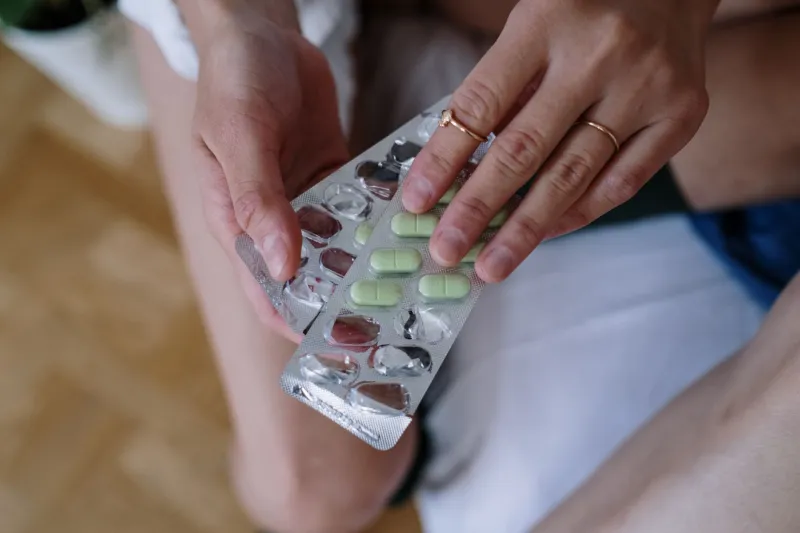
Combined hormonal contraceptives — the pill, patch, and ring — work partly by suppressing ovulation and altering hormone levels. One of the less-talked-about effects is a significant increase in sex hormone-binding globulin (SHBG), a protein that binds to testosterone and makes it less biologically available. Testosterone plays a role in genital sensation, arousal, and clitoral sensitivity — so when free testosterone drops, sensation can drop with it.
Research published in the Journal of Sexual Medicine found that SHBG levels remained elevated in some people even after stopping hormonal contraception, suggesting the effect isn't always immediately reversible. Some clinicians have started calling this "post-pill androgen deficiency," though it's not yet a formally recognized diagnosis in most mainstream medical circles.
This doesn't mean hormonal birth control is bad or that you should stop using it. It means that if you've noticed reduced sensation since starting a hormonal method — and especially if it persisted after stopping — that's worth discussing with a provider who takes it seriously, rather than being dismissed.
The Pelvic Floor Factor
When people think about pelvic floor issues, they usually think about weakness — the kind that causes leakage or prolapse. But hypertonicity (excessive tightness) is just as common and often more insidious, because it doesn't announce itself with dramatic symptoms.
A hypertonic pelvic floor can compress the pudendal nerve, which is responsible for sensation in the vulva, clitoris, vaginal canal, and perineum. The compression doesn't always cause pain — sometimes it just quietly dampens sensation. People with high-stress lifestyles, a history of trauma, or habits of chronically bracing and tensing (which many of us do without realizing) are particularly prone to pelvic floor hypertonicity.
The fix here is counterintuitive: you don't need to strengthen the pelvic floor, you need to learn to release it. A pelvic floor physical therapist can assess whether hypertonicity is contributing to your sensation issues and guide you through targeted release work. This isn't a quick fix — it typically takes weeks to months — but for people whose numbness has a muscular component, it can be genuinely transformative.
Repetition, Habituation, and the Brain
Here's a less physiological but equally real contributor: the brain gets bored.
The nervous system is wired to respond strongly to novelty and to habituate to repeated stimuli. If you've been using the same vibrator on the same setting in the same spot for years, your brain may have literally gotten so accustomed to that particular pattern of stimulation that it's stopped registering it as strongly. This is called sensory habituation, and it's a normal neurological process — not a sign that anything is broken.
Similarly, very high-intensity vibration used frequently and for extended periods can temporarily desensitize nerve endings. The effect is reversible, but it can take a few days to a couple of weeks of reduced stimulation for sensitivity to return to baseline.
Sensate Focus: The Unsexy-Sounding Technique That Actually Works
Developed by Masters and Johnson in the 1960s and still used by sex therapists today, sensate focus is a structured approach to rebuilding body awareness and sensation. The basic idea is to remove goal-oriented sex from the equation entirely and replace it with slow, deliberate, non-goal-directed touch — starting with non-genital areas and gradually including genitals over time.
The purpose isn't to produce arousal or orgasm. It's to rebuild the habit of paying attention to sensation without the performance anxiety that often accompanies sexual encounters. For people who have become disconnected from their bodies — whether through numbness, trauma, stress, or simply the busyness of adult life — sensate focus is a way of reestablishing a relationship with physical feeling.
You can practice it solo or with a partner. There are structured protocols available through certified sex therapists, and books like Becoming Orgasmic by Heiman and LoPiccolo walk through the process in detail.
Mindfulness: Not Just a Buzzword
The research on mindfulness-based interventions for sexual dysfunction is more robust than most people realize. Studies have found that mindfulness practices — specifically the ability to stay present in the body during sexual activity rather than mentally checking out — significantly improve subjective arousal and sensation ratings, even when objective physiological measures don't change.
In other words: you might be receiving sensation that your brain isn't fully registering because your attention is elsewhere. Anxiety, distraction, self-consciousness, and dissociation are all incredibly effective at blocking the brain's processing of physical sensation. Regular mindfulness practice, and specifically practicing bringing attention back to physical sensation during sexual activity, can meaningfully shift this.
When to See Someone
If you've noticed a significant or sudden change in genital sensation, it's worth getting it evaluated — especially if you have diabetes, a history of pelvic surgery, or neurological symptoms elsewhere in your body. Sudden-onset numbness is more urgent than gradual changes, but both deserve attention.
For most people, though, diminished sensation is a gradual process with multiple contributing factors — and addressing even one or two of them can make a real difference. Start with the most accessible intervention (reducing habituated stimulation patterns, trying a mindfulness practice, switching birth control methods with your provider's guidance) and work from there.
Your body's capacity for pleasure isn't fixed. It responds to attention, variety, care, and the right kind of help — and getting that sensation back is absolutely worth pursuing.